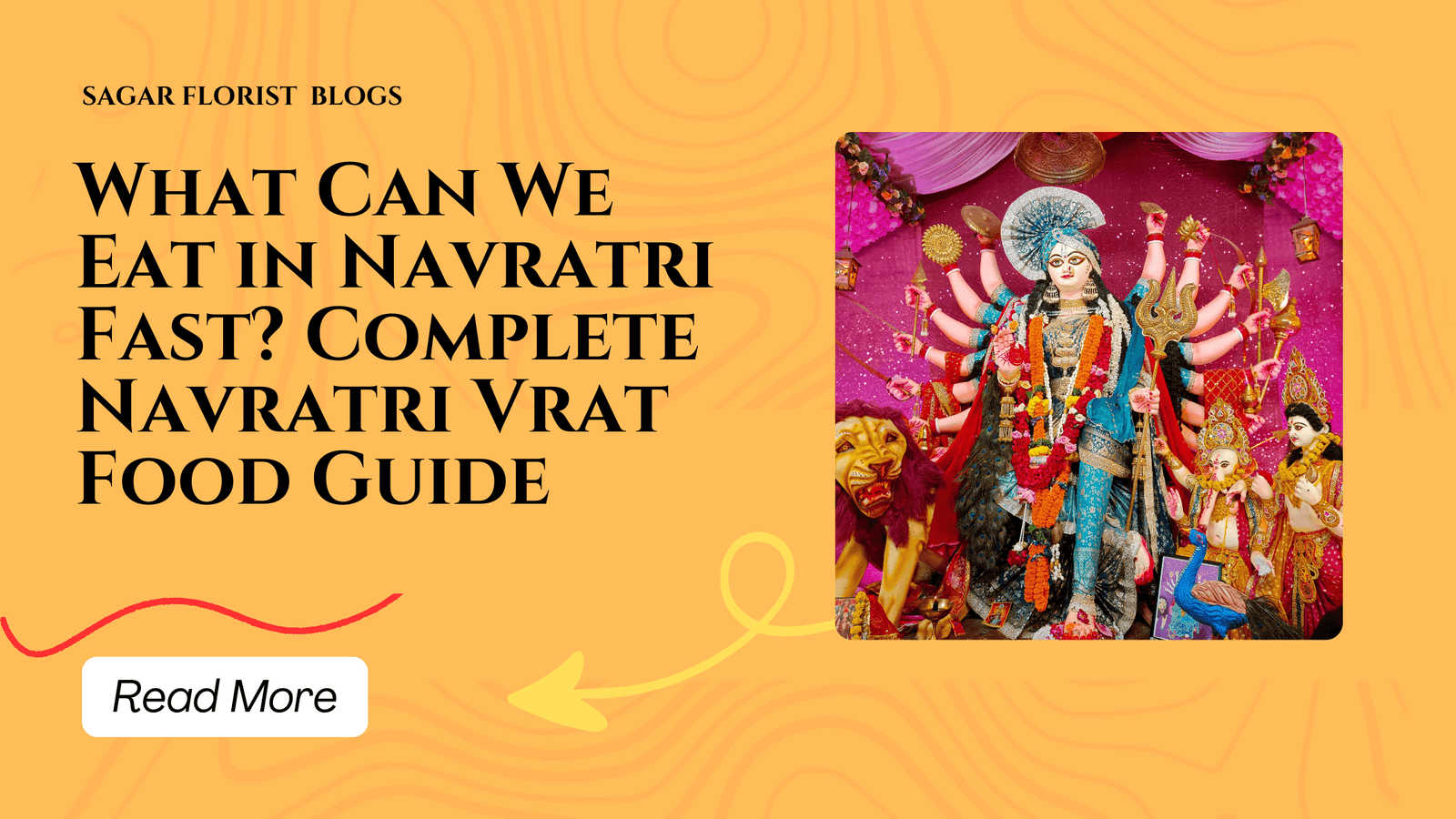
Navratri is one of the most sacred Hindu festivals dedicated to Maa Durga. During these nine days, many devotees observe Navratri fast (vrat) to purify the body and mind while worshipping the nine forms of Goddess Durga.
While fasting, regular grains and certain foods are avoided. Instead, devotees eat satvik foods that are light, pure, and nutritious.
In this guide, we will explain what you can eat during Navratri fast and some popular vrat dishes.
Fruits for Navratri Fast


4
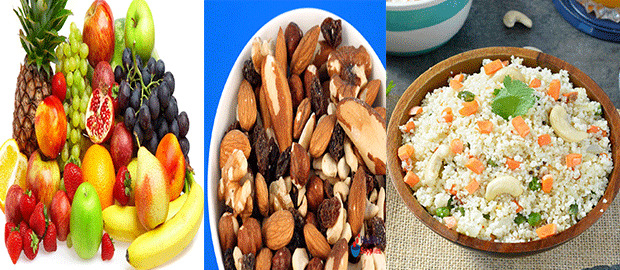
Fruits are the most common and easiest food consumed during Navratri fasting. They provide natural energy and keep the body hydrated.
Popular fruits eaten during Navratri include:
- Bananas
- Apples
- Papaya
- Pomegranate
- Grapes
- Oranges
- Coconut
Many devotees eat fruits during the day and have a vrat meal in the evening.
Dairy Products Allowed in Navratri


4
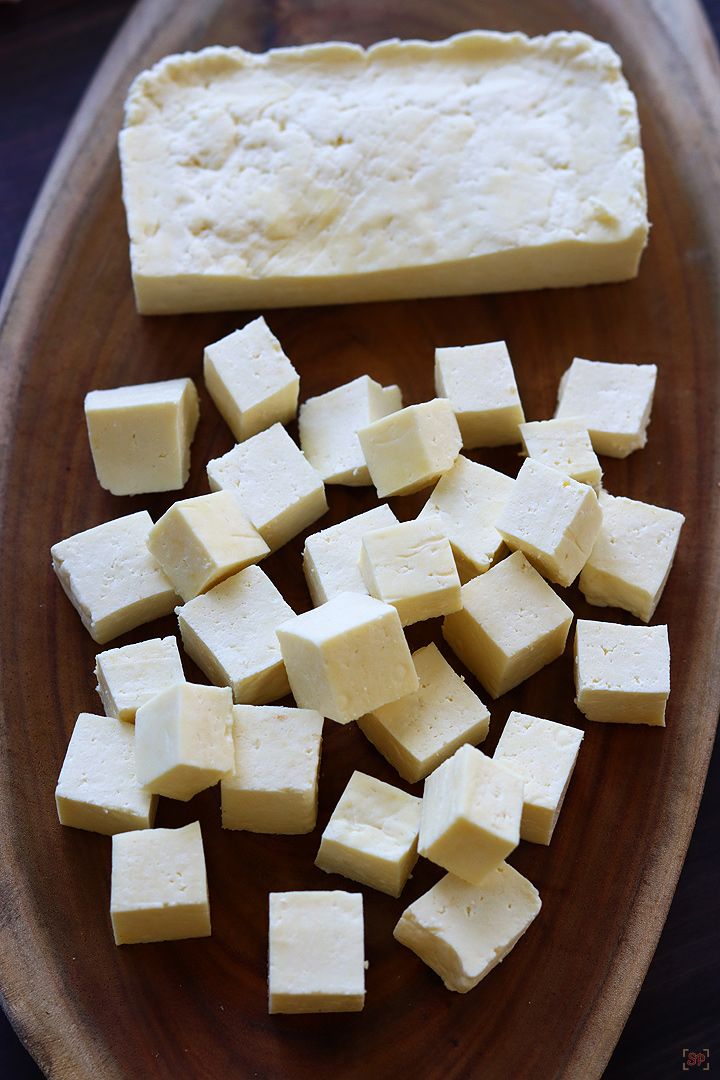
Dairy products are considered pure and sattvic, so they are allowed during Navratri fast.
Common dairy foods include:
- Milk
- Curd (Dahi)
- Paneer
- Buttermilk
- Lassi
These foods provide protein and energy, helping devotees stay active while fasting.
Navratri Special Grains (Vrat Atta)


4
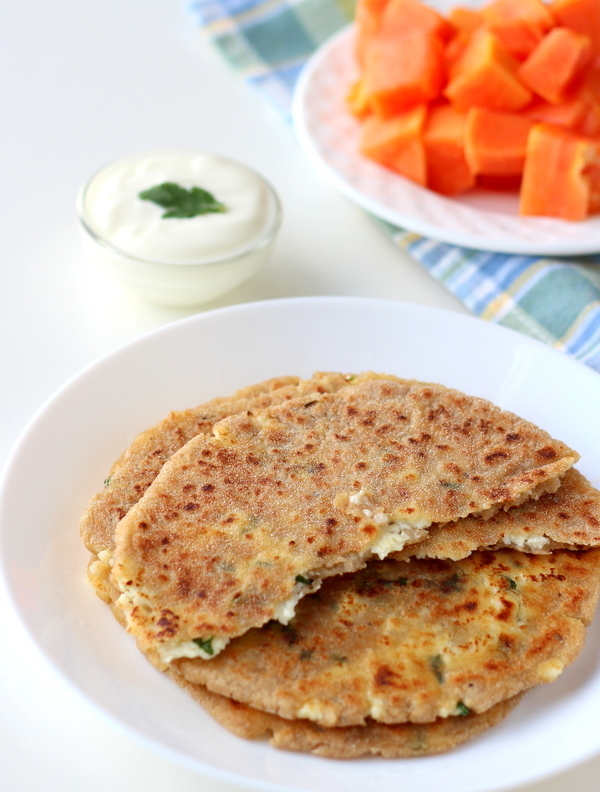
Regular wheat and rice are avoided during Navratri. Instead, special flours and grains are used.
Popular vrat foods include:
- Kuttu Atta (Buckwheat flour) – used for puri or pakora
- Singhara Atta (Water chestnut flour) – used for roti or halwa
- Rajgira Atta (Amaranth flour) – very nutritious fasting grain
- Sabudana (Tapioca pearls) – used in sabudana khichdi or vada
These foods provide carbohydrates and help maintain energy levels.
Vegetables Allowed in Navratri Fast

4
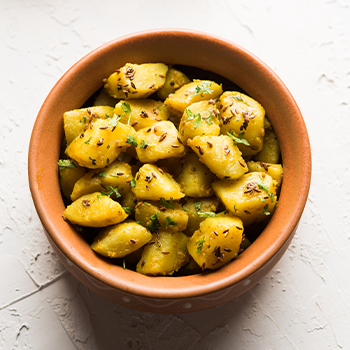
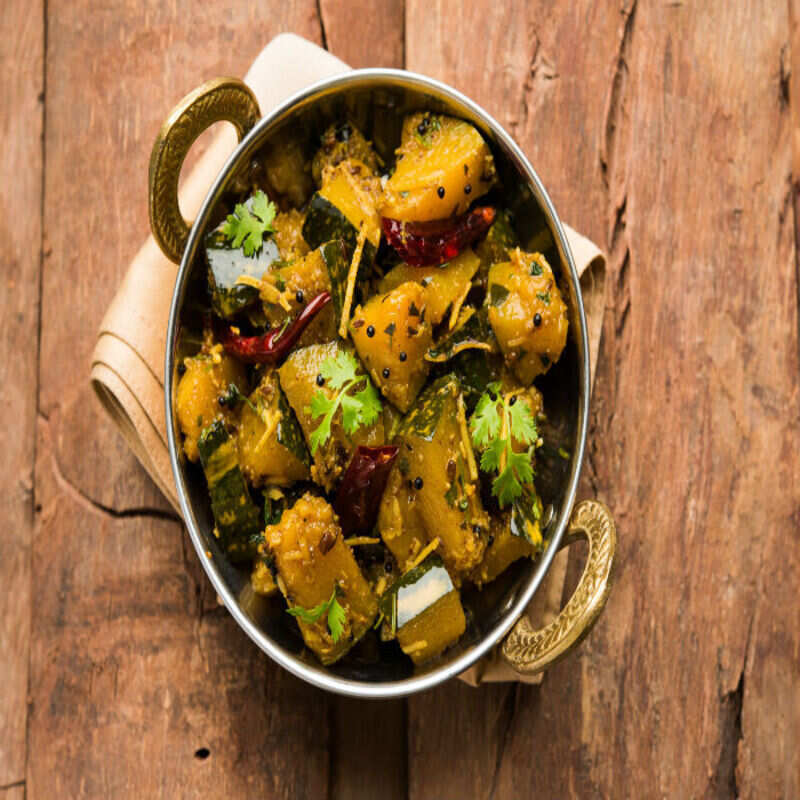
Certain vegetables are allowed during Navratri fasting.
Common vrat vegetables include:
- Potatoes (Aloo)
- Sweet potatoes (Shakarkandi)
- Pumpkin (Kaddu)
- Bottle gourd (Lauki)
- Raw banana
These are usually cooked with rock salt (sendha namak) instead of normal salt.
Foods to Avoid During Navratri Fast
During Navratri vrat, devotees avoid:
- Wheat and normal flour
- Rice
- Onion and garlic
- Regular salt
- Non-vegetarian food
- Alcohol
The goal of fasting is to eat pure and simple food while focusing on devotion.
Spiritual Importance of Navratri Fasting
Navratri fasting is not only about food restrictions but also about spiritual discipline.
Benefits of Navratri fasting include:
- Detoxifying the body
- Improving digestion
- Increasing mental focus
- Strengthening devotion to Maa Durga
Devotees also decorate temples and homes with fresh flowers, light diyas, and perform daily puja.
At Sagar Florist, we provide fresh marigold, lotus flowers, and garlands for Navratri puja and Durga decoration to make your celebration divine and beautiful.


